



Eating While Pregnant: What Diet Should You Follow?
Apr
“Don’t eat too much cake”, “Avoid salmon”, “Don’t drink too much coffee”… Everyone has their own little piece of advice about your diet during pregnancy, but you can’t tell fact from fiction? We’ll go through it with you to help answer these questions…
Is my weight gain normal?
First of all, you should know that during your pregnancy you will gain between 9 and 12kg on average. This weight gain is relatively small during the first trimester, then increases from the 4th month at a rate of 1.5 kg per month. Monitoring your weight is therefore essential. It makes it possible to detect any kind of abnormality and to adjust your diet straight away if necessary.
Eating for two or eating twice as well?
There’s no need to eat for two during your pregnancy. Admittedly, you need to consume more calories per day when you’re pregnant, but the difference isn’t that significant. During the first trimester, we’re talking about an extra 150 kcal per day, and 350kcal for the last two. Also, don’t forget that every woman’s needs are different: they can vary according to your build, for example. The main thing, so as not to slow down baby’s growth, is to consume at least 1500 kcal per day from the halfway point of your pregnancy.
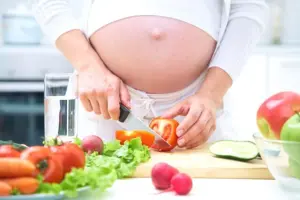
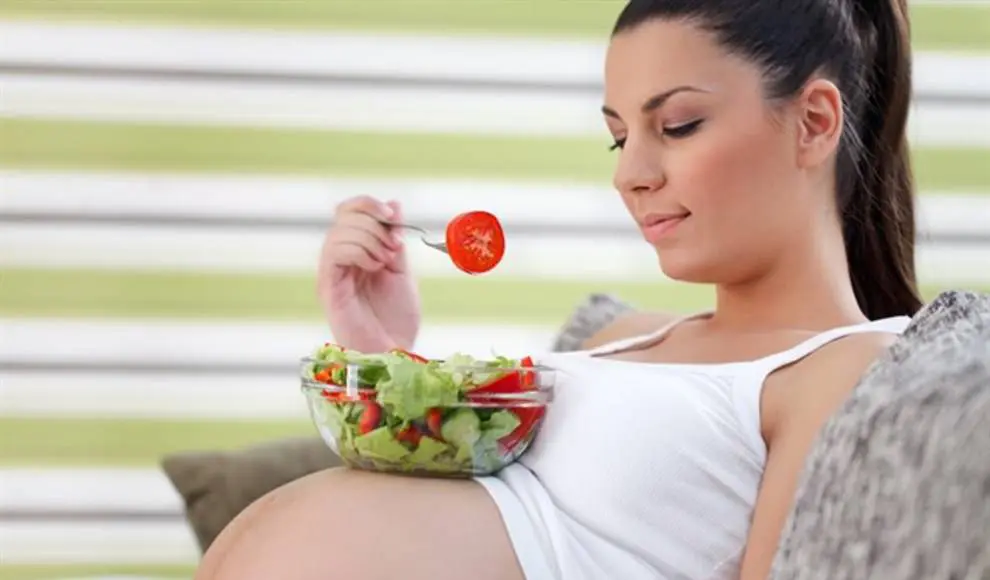
While you don’t need to eat twice as much, you do need to make sure you eat twice as well. What do we mean by eating better? A balanced diet, and that’s all there is to it. Eat a bit of everything in reasonable quantities and your little one will have everything they need to grow strong and develop properly. You and your baby need protein, sugars, good fats, vitamins and minerals to stay healthy. By eating properly, you’ll feel fit and healthier, and your energy dips will be less frequent! What’s more, eating well also helps limit the risk of gestational diabetes.
What should I eat?
Many pregnant women forget that what matters most is to enjoy themselves! So yes, you can’t have your little glass of champagne to celebrate your birthday, but you can find pleasure in other ways. Eat foods that you fancy and that are good for you and your baby!
Have your three main meals a day and, if you wish, add one or two snacks as needed. But how should you put them together? Which nutrients are important?
First of all, eat protein! It is essential for building and maintaining your body and comes from a variety of sources. Meat and fish, but also pulses and cereals, contain plenty of it. Being vegetarian is therefore entirely compatible with pregnancy; you just need to get your intake in a different way.
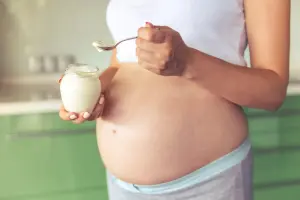
Next, another essential element: calcium. It is vital for building your baby’s skeleton and also protects you from the risk of high blood pressure and its complications (such as eclamptic fits, for example, which are convulsive seizures). You’ll find this nutrient in dairy products (be careful with raw milk and all cheeses that contain it: they are not recommended during pregnancy) such as milk, yoghurts, cheeses or fromage blanc. Three portions a day are recommended, but don’t worry if you don’t like dairy products: drink mineral waters rich in calcium to make up for it.
To develop your baby’s brain and nerve cells, you need lipids. As well as providing energy, make sure they contain fatty acids that are essential for the foetus. DHA, for example, belongs to the omega-3 family. According to studies, this fatty acid actively contributes to the development of baby’s brain, as well as to their cognitive and physical development. However, don’t overdo the lipids: get them naturally from your meals. Fish and meat contain them, but nuts such as almonds are a very good alternative.
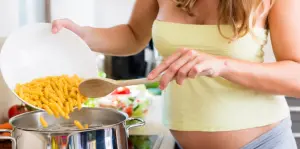
Also, when you’re pregnant, your body needs energy and therefore a good intake of carbohydrates, or slow-release sugars. Glucose is essential for foetal tissue. So you need to spread your carbohydrates properly throughout the day, especially at breakfast, as this is when the risk of hypoglycaemia is highest. Opt for slow-release sugars, found in bread, potatoes, pasta, rice… Thanks to these carbohydrates, you’ll feel energised all day long!
Iron intake is also essential and increases during the last six months of pregnancy. Iron deficiency can, for example, increase the risk of premature birth. Pulses such as lentils, chickpeas and broad beans contain loads of it!
And add some colour to your plate to whet your appetite! Eat your 5 fruit and vegetables a day for all the vitamins and minerals they provide! Your vitamin needs are crucial during pregnancy and are easily met with a balanced diet. However, folic acid levels are often low in early pregnancy, so it’s important to keep an eye on them, as a deficiency leads to a risk of premature birth and foetal growth restriction.
Which foods should you avoid? What precautions should you take?
And yes, unfortunately, you’ll still have to give up a few little pleasures or cut back on some of them.
The first and most important rule: don’t drink a single drop of alcohol! Drinking alcohol poses real dangers to your baby’s brain development, and can also cause growth delays and malformations. Be aware that when you drink alcohol, it passes from your blood into your baby’s… The risk of foetal alcohol syndrome is the most serious effect of drinking alcohol during pregnancy. It affects 1 in 1000 births in France! It is the leading non-genetic cause of learning disability and of social difficulties in children in France. So forget all alcoholic drinks for nine months!
Next, when you are pregnant, you need to keep a closer eye on your diet because other risks exist: catching listeriosis or toxoplasmosis.
Why are these diseases dangerous? In fact, these bacteria are fairly mild for you (slight flu-like symptoms) but they can have serious consequences for your little one’s development.
How can you avoid catching these diseases? Do not eat (or strictly limit) foods that may be dangerous: unpasteurised cheeses (camembert, for example), raw or cooked cured meats (such as rillettes) and raw and smoked fish. As for oily fish (such as salmon, tuna and swordfish), make sure you don’t eat them more than twice a week, as they contain high levels of mercury.
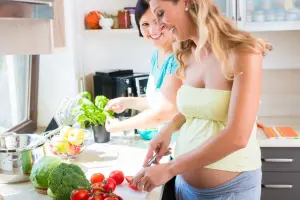
Next, cook all your meat and egg-based dishes thoroughly to avoid any risk. Cooking at a high temperature kills bacteria.
Finally, as the toxoplasmosis parasite is found in soil, it is important to wash fruit and vegetables thoroughly, as well as fresh herbs.
On top of these various precautions, remember to check the list of ingredients to see which food additives they contain: the shorter the list, the better!
And contrary to popular belief, you can drink coffee and tea as long as your daily intake isn’t excessive (don’t drink four espressos a day). As with everything, it’s just a matter of moderation.
On top of all this advice about your diet, one last point that’s just as important: smoking. If you carry on smoking while pregnant, the risks for your baby are many. Risk of ectopic pregnancy, premature birth, miscarriage… The dangers are so numerous that quitting is a goal to aim for whatever stage you’re at, and the sooner the better!
As you’ll have gathered, the most important thing for your health and that of your little one is a varied diet! Even if certain foods are strongly discouraged (or even off-limits), these small efforts are for a good cause. See your pregnancy as an opportunity to eat differently and, above all, enjoy yourself!
Dylan
Proud dad of three little ones and founder of Premiers Moments. Together with the whole team, I share our parenting tips here to support you, from pregnancy through your child's first years.
Pack baby's hospital bag