





Useless baby products (and the real essentials)
Nov
Quand on attend un bébé, on a envie de tout acheter. Et les magasins le savent bien ! Résultat : on rentre souvent avec des produits qui ne serviront jamais, voire qui ne sont pas adaptés du tout. Ça m’est arrivé aussi quand je suis devenu papa pour la première fois. Alors, pour vous éviter de dépenser pour rien, voici mon top 5 des produits inutiles pour bébé… et ce que je vous conseille d’acheter à la place.
1. Le mouche-bébé
And yet you’ll find them in every shop! But honestly, in our house it was hardly ever used: babies don’t like it. And I’m not the only one who thinks so: the Assurance Maladie (French national health insurance) explains that the nasal aspirator is less effective than nasal rinsing, because it doesn’t clear the nose as well. For newborns, it recommends single-use saline doses instead, with baby lying on their side, head well supported, and a slow, gentle technique.
What about a nasal syringe? Here again, you need to be very gentle. The early childhood health programme of the canton of Vaud, in Switzerland, for example advises not exceeding 2 ml of saline per nostril for babies, in its “Blocked nose: rinsing” leaflet. Some doctors even prefer to avoid syringes for very young babies. So before using one, ask your midwife or paediatrician to show you how, and follow their advice according to baby’s age.
2. The toothbrush

Photo: Rodrigo Pereira / Unsplash
Acheter une brosse à dents pour un nouveau-né, c’est un peu comme acheter du shampooing pour un chauve : ça n’a aucun intérêt ! En effet, la première dent de lait perce en général entre 4 et 7 mois, et parfois même plus tard. Alors, inutile de l’acheter avant : attendez simplement que la première petite dent apparaisse.
3. The cot bumper
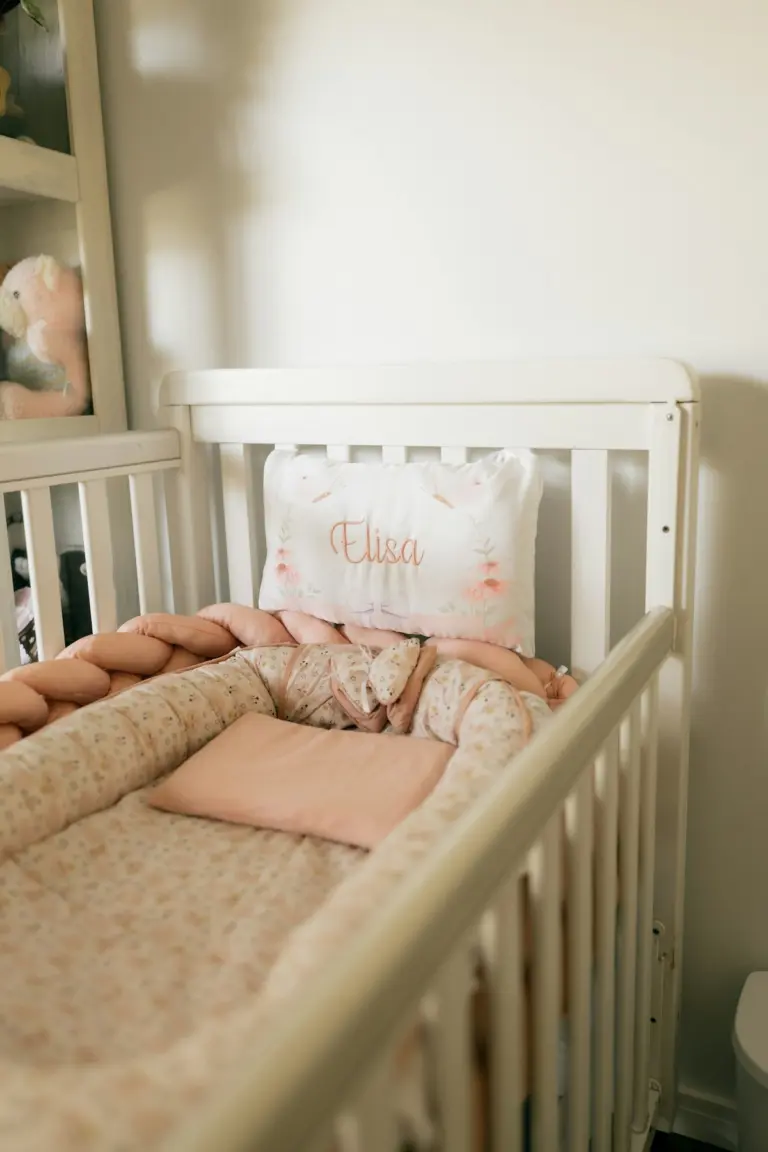
Photo: Alexander Mass / Unsplash
This is probably the most important item on the list, because here it isn’t just useless: it’s advised against. The Assurance Maladie does not recommend it, because there should be nothing soft around baby while they sleep. Likewise, the Haute Autorité de santé (French National Authority for Health) considers “positioning devices” such as cot reducers or sleep positioners dangerous. To find out more, read Cot reducers: are they dangerous for babies?.
4. Tiny trainers
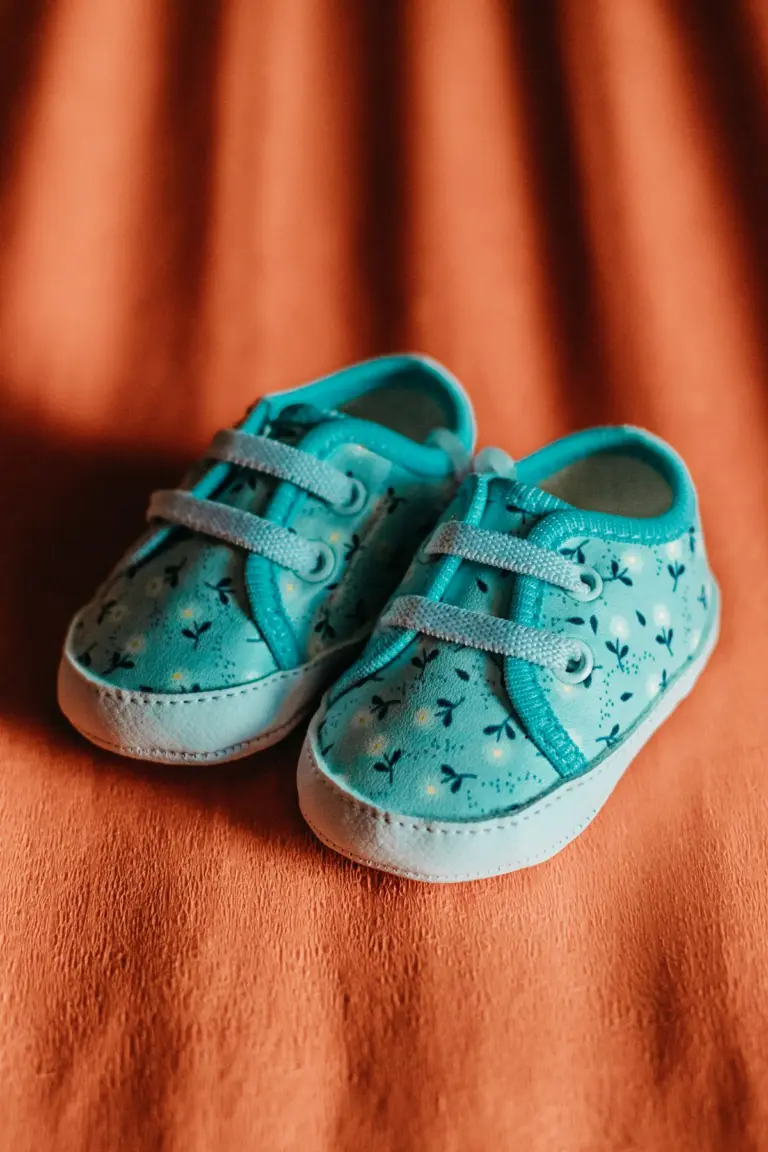
Photo: Kawê Rodrigues / Unsplash
Elles sont trop mignonnes, je vous l’accorde ! Mais honnêtement, vous ne les lui mettrez sûrement jamais, sauf peut-être une fois pour une photo. En plus, elles ne sont pas très confortables pour un bébé qui ne marche pas. De simples chaussettes ou des chaussons tout doux feront largement l’affaire.
5. “Grown-up” clothes
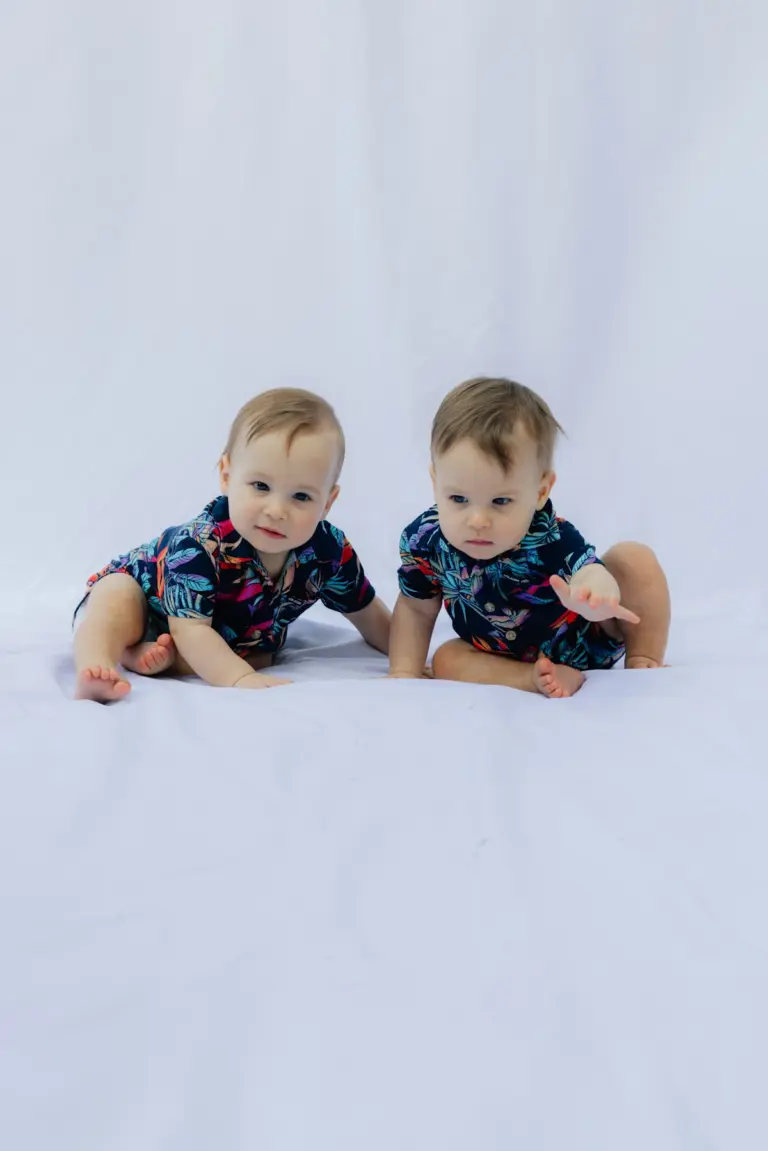
Photo: Brooke Balentine / Unsplash
Oubliez la jolie petite chemise ou la robe trop mignonne pendant les premiers mois. En réalité, bébé passe le plus clair de son temps en body et en pyjama. Alors, inutile de vous ruiner avec tout un tas de vêtements qu’il ne portera quasiment jamais. Mieux vaut investir dans de bons basiques, pratiques et doux pour sa peau.
The real baby essentials
Mais alors, que faut-il vraiment acheter ? Voici l’essentiel :
- bodysuits and sleepsuits that open at the front, so you can change baby without turning them over;
- a baby sleeping bag suited to the season, instead of a blanket;
- a small sleeping space for the first few months, such as a Moses basket or a bedside crib;
- a hooded towel to dry them gently;
- a night light, for night feeds and nappy changes.
For the complete list, category by category, read our article Newborn essentials: the complete checklist so you don’t forget a thing.
👉 In fact, that’s why I created Premiers Moments: you’ll only find products that are genuinely useful for baby’s first moments. Our bodysuits and sleepsuits open at the front, our sleeping bags suit every season, all made of GOTS-certified organic cotton fabric. And our maternity packs bring together the essentials, with nothing superfluous.
Your questions about buying for baby
When should you start buying for baby?
Il n’y a pas de règle, mais beaucoup de parents s’y mettent au cours du deuxième trimestre. Ainsi, vous avez le temps de comparer sans stress.
Should you buy clothes in newborn size?
In moderation: many babies never fit into newborn size. Go by baby’s weight and length instead, with our size guide.
Is a nasal aspirator dangerous?
Non, il n’est pas dangereux. Simplement, à mon avis, il est peu pratique et désagréable pour bébé, alors que le sérum physiologique fait très bien l’affaire.
Dylan
Proud dad of three little ones and founder of Premiers Moments. Together with the whole team, I share our parenting tips here to support you, from pregnancy through your child's first years.
Pack baby's hospital bag